Facts read 9 November 2026 · page updated 10 November 2026
The FishGoo Spreadsheet, shelf by shelf
Browse the shelves, open a listing, and buy through FishGoo; the notes under each shelf say what to measure or ask before you do.
The shelves, with something to watch on each
Sixteen shelves of seller listings, the same ones as on the home page with a different find on each card. The note under each name is about the item itself: the measurement to ask for, or the detail that changes the parcel. Womenswear is a search rather than a shelf, so it is marked as search results.
 Football shirtsCheck whether the listing is fan or player cut; the size chart differsCategory
 JoggersFleece adds weight fast; ask for grams before a 1 kg parcel fills upCategory
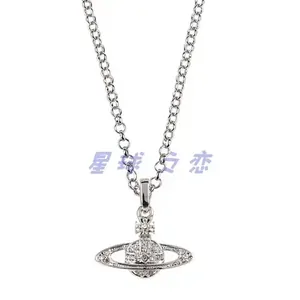 JewellerySmall and light; ask the seller about plating and chain length in cmCategory
 Trainers and bootsBox or no box changes the parcel size more than the shoe doesCategory
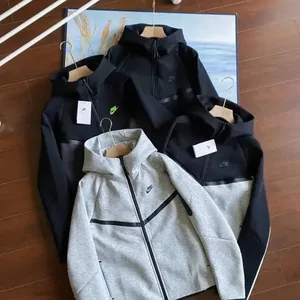 Coats and jacketsPuffers compress; the longest side of the folded coat is what countsCategory
 Hoodies and half-zipsHeavy cotton adds weight; look for grams in the listingCategory
 T-shirtsLook for a flat-lay photo with a tape measure across the chestCategory
 JeansInseam and rise in cm matter more than the waist labelCategory
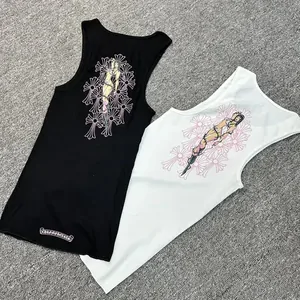 WomenswearA cross-shelf search; narrow it with a garment wordSearch results
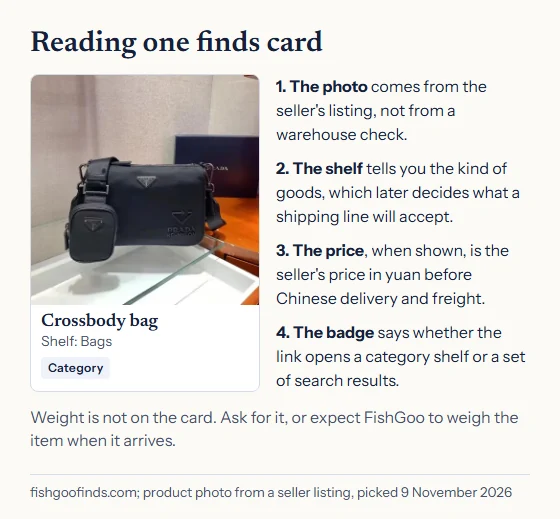
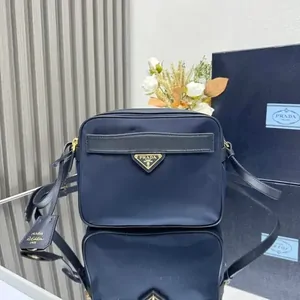 BagsRigid bags travel in their shape; soft ones can be folded downCategory
 HatsStructured caps keep their crown only in a boxCategory
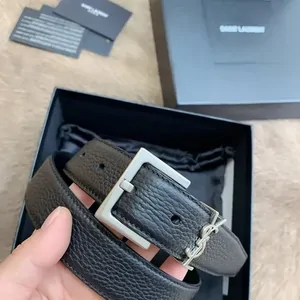 BeltsMeasure an old belt from buckle hole to hole before choosing a lengthCategory
 GlassesLens width and bridge in mm are on the better listingsCategory
 FragrancePerfume is a liquid; ask FishGoo which lines take it before you buyCategory
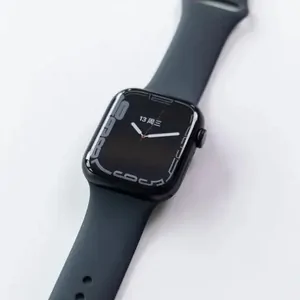 WatchesBuilt-in batteries limit which lines can carry a smartwatchCategory
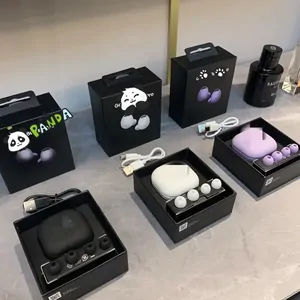 GadgetsFishGoo does not test function, so pick sellers who accept returnsCategory
A FishGoo Spreadsheet defined, plus this catalogue's limits
Ask what a FishGoo Spreadsheet is and you get a browsable catalogue of finds: product photos and titles from Chinese marketplace listings, grouped into shelves, each card leading to the seller's page so you can buy it through FishGoo. It is a way to browse by category before you know exactly what you want.
This one is not a shop. It holds no stock, sets no prices and cannot tell you that an item is good; the photos are the seller's, taken before anyone checked the goods. Its job is to get you to a listing quickly and then put the freight rules for UK and EU parcels next to it.
A card shows a photo, a short name and the shelf. When a price is shown it is the seller's price in yuan, before delivery inside China and before international freight. Weight is almost never on a card, and it is the number that decides your freight.
Why this Spreadsheet sits beside FishGoo's own search
FishGoo's search already takes a Taobao, 1688 or Weidian link, a photo or a shop name. What it does not do is show you shelves of other people's finds, and it does not put the lateness rules of its lines on the same screen as the product.
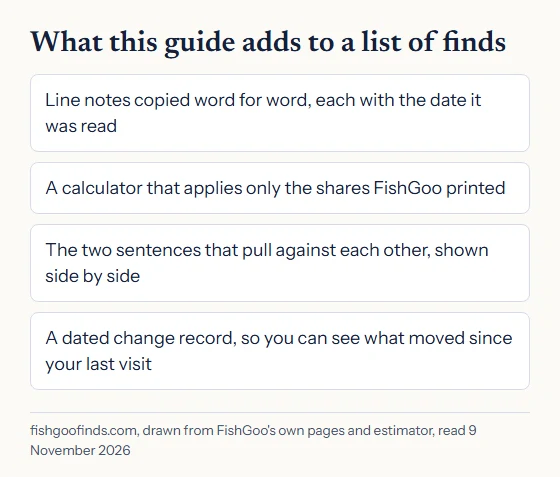
This guide does both, and keeps itself honest in four ways you can check: each line note is copied word for word with the date it was read, the calculator applies only the shares FishGoo printed, the two sentences that pull against each other on three lines are shown side by side, and the updates page records what changed and when.
When a shelf link stops working or a line note changes, that page is where you will see it first. If you spot something first, the address on the About page reaches the person who keeps this site.
A finds site under test, this catalogue included
There are many finds sites, and some are copies of each other with the agent name swapped. Choosing a Spreadsheet site takes a few minutes once you know what to test, and the same tests apply here.
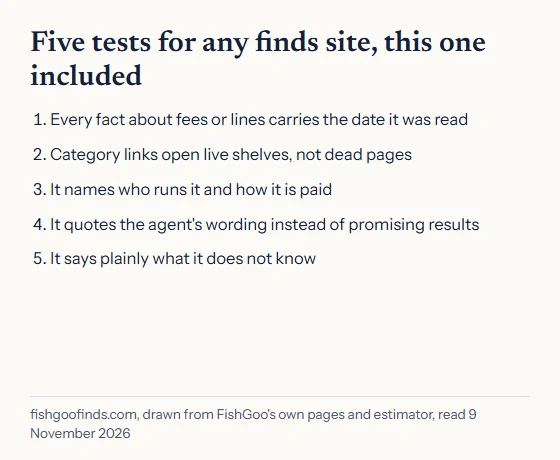
Look for a read date on every fee, line or policy it quotes; a figure without a date is a guess about today. Click three category links and see whether they open live shelves. Find the page that says who runs the site and how it earns money. Check whether it quotes the agent's own wording or paraphrases it into promises. And notice whether it ever says "we do not know"; a site that is sure about everything has not looked closely.
On those five tests a site can fail one and still be useful. Failing all five means the links are the only thing it offers.
Apply them here too. This guide's weakest point is time: FishGoo rewrites line notes and prices without notice, and a page read on 9 November can be wrong a month later. That is why every number carries its date, and why the on-time notes are scheduled to be re-read at least every 30 days.